Understanding HMDD Fleece Hoodie Style It Three Ways
HMDD Versus Competing Streetwear Labels: In What Way Does It Measure Up?
The streetwear scene in 2026 is crowded, loud, and flooded with brands pursuing one shared hype loop. HMDD — short for Happy Memories Don’t Die — has staked out a different lane by drawing on sentiment, story-led emotion, and a subtler kind of confidence rather than shock-value graphics. Its very name points to the brand’s core idea: recollections wear thin, but the emotion tied to them ought to remain. That philosophy shows up in the construction, the color choices, and the way HMDD pieces is marketed as memory you can wear rather than just merchandise. And that’s essentially why this comparison sets out to show where HMDD stands next to other streetwear labels, what an honest HMDD review actually looks like, and why buyers searching for HMDD’s standout pieces repeatedly land on staples like sweatpants and shorts.
A handful of groups now make up the streetwear industry: legacy skate-driven brands, branding-forward hype names, and leaner independents centered on narrative and community rather than size. HMDD sits nearer the third camp. The brand isn’t pursuing luxury-house collabs or saturating drops every week. Instead, HMDDLA — the brand’s foundation and artistic anchor rooted in Los Angeles — releases in smaller, more deliberate batches. This isn’t scarcity built for attention; it’s a byproduct of a brand developing gradually rather than churning out volume to satisfy demand.
Brand Ethos: Sentiment vs. Spectacle
Most streetwear labels compete on visual noise — oversized logos, partnership badges, or temporary hooks meant to catch attention for a short stretch. HMDD chooses instead to lean on emotional resonance. “Happy memories don’t die” is more than a slogan; it appears printed, stitched, and referenced across the collection as a repeated motif. As a result, the brand carries a cohesive identity that’s simpler to spot than labels that overhaul their full visual identity every season.
That steadiness counts for more than most assume. A shopper who buys HMDD sweatpants in 2025 and returns for shorts in 2026 will pick up on the same design DNA — subdued color choices, understated graphic positioning, and a emphasis on comfort-driven silhouettes. Compare that to labels that pivot designer hoodies from streetwear to techwear to Y2K revival within twelve months, and HMDD’s steadiness becomes a real differentiator. Brand loyalty in streetwear is often built on this kind of predictability, not novelty.
A community dimension exists too. HMDD’s marketing leans on storytelling — customer photos, first-person captions, and a sense that the clothing represents a moment rather than a status symbol. Larger labels with thousands of SKUs struggle to maintain that intimacy. Because it’s smaller, HMDD can still respond directly to its audience, which shows up in the speed at which review feedback shapes upcoming drops.
A Look at the Product Lineup: Where HMDD Really Holds Its Own
Whenever buyers question how the HMDD lineup compares, they typically weigh three things: fit, the heft of the material, and the value-for-money balance. The two most-searched categories are HMDD sweatpants and HMDD shorts, an indication that HMDD’s bottoms are landing better with buyers than its outerwear or accessories currently. That’s consistent with broader 2026 streetwear trends, where relaxed-fit bottoms are outselling structured jackets across the category.
Presented here is a high-level comparison of how HMDD positions itself against a pair of familiar streetwear archetypes: the high-volume hype brand and the independent boutique brand. It’s not a price war pitting one brand against another — it looks at the structural way each type tends to function in today’s market.
| Metric Under Review | HMDD | High-Volume Hype Brand | Niche Independent Label |
|---|---|---|---|
| How Frequently Releases Come Out | Tightly rationed, but consistently considered | On a weekly-to-fortnightly schedule | Seasonal, rare |
| Brand Identity | Memory-tinged narrative built on reminiscence | Built on the logo, constantly tracking what’s hot | Unpredictable, frequently uneven |
| Primary Categories | A lineup of joggers, shorts pieces, and graphic upper pieces | Pullovers, jackets and coats, accessories | Hinges on the creator’s vision |
| How the Label Connects With Its Community | Face-to-face and genuine, attentive to reviews | Mass-scale, impersonal | Personal but restricted reach |
| Where Cost Sits In the Market | Mid-range street fashion | Wide range, frequently premium | Shifting from moderate and upscale, never fixed |
This overview isn’t meant to crown a single winner because streetwear as a category isn’t a one-size-fits-all category. The point is to illustrate that HMDD’s strategy of deliberate scarcity paired with emotional branding puts it in a separate spot in the competitive landscape relative to brands relying purely on volume or purely on niche appeal. HMDD borrows discipline from the boutique model while steering clear of the inconsistency that tends to plague more niche labels.
Fit, What it’s Made of, plus Everyday Wearability
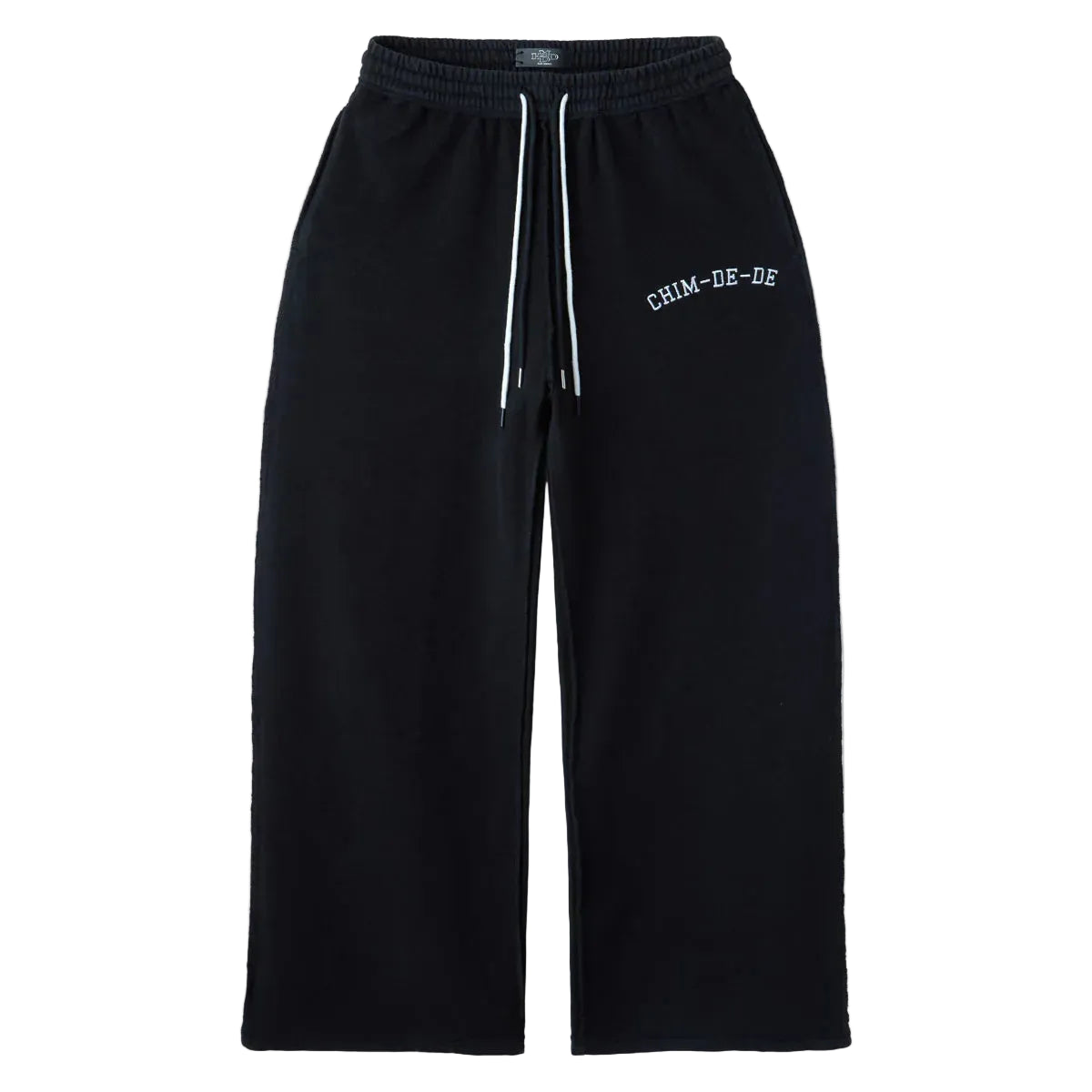
This bottoms category succeed or fail based on fit. If they’re too fitted, they land in athleisure territory; if they’re too roomy, they veer into sleepwear-adjacent territory. HMDD’s take on these two categories favors a comfortable cut with a tapered line that works for day-to-day rotation rather than gym-only use. This distinction matters, since a lot of streetwear sweatpants are shaped so they’re too loose for layering or too tight for all-day comfort.
The shorts lineup adhere to a similar logic — lengths ranging from mid-thigh down to the knee that work well alongside graphic-print t-shirts or loose oversized layers. This matters in a 2026 landscape where shoppers are moving toward pieces that transition between casual outings and lounging, as opposed to maintaining separate closets for each purpose. Reviewers frequently note that HMDD shorts hold their shape after multiple washes, which speaks to fabric weight and construction rather than just cut.
In terms of where HMDD sets itself apart from mass-market competitors comes down to restraint. Many hype brands clutter sweatpants with side stripes, oversized branding, or multiple logo placements. HMDD tends to keep graphics minimal — a quiet gesture toward “happy memories don’t die” rather than a dominant chest print. That understatement appeals to shoppers who want recognizable streetwear without looking like a walking billboard.
What Shopper Feedback Really Tell You
As peer recommendation, instead of sponsored promotion, does the heavy lifting, search demand around “HMDD review” has climbed consistently as more buyers discover the brand. The recurring themes in shopper reviews are fairly consistent: comfort earns top marks, sizing aligns to relaxed-fit expectations, and the emotional branding either resonates deeply or doesn’t land at all — there’s not much middle ground. This split reaction is actually a good sign in the streetwear space, where forgettable, inoffensive design seldom creates a committed customer base.
Recurring complaints to watch for include infrequent restocks and smaller size runs relative to larger competitors. Because HMDD isn’t mass-producing at the scale of bigger streetwear names, high-demand size options in sweatpants and shorts can sell out faster, which shoppers should factor in before expecting instant stock. It’s a compromise rather than a real shortcoming — restricted availability is part of what keeps the HMDDLA identity reading as considered rather than mass-market.
Weighing it all together, the reception surrounding HMDD clothing tilts positive, especially among customers who value meaning and comfort over heavy branding. This is a smaller crowd than a brand chasing mass appeal, but it’s a more devoted group — the kind of customer base that stays loyal through future launches instead of switching over to whatever’s popular next month.
Where HMDD Fits in a 2026 Wardrobe
Streetwear buyers assembling a 2026 rotation are increasingly blending different brands rather than wearing just one label top to bottom. HMDD slots in effortlessly into that mix as the “comfort and meaning” piece — the sweatpants you reach for on a lazy Sunday, or the shorts that go alongside a heavier statement jacket from another label entirely. It’s not meant to serve as an do-it-all label, and that’s arguably its strength.
For shoppers specifically comparing bottoms, HMDD sweatpants and HMDD shorts remain the easiest way in into the brand. They highlight the approach to fit, the subtle branding, and the material quality that customers cite most frequently. Shoppers looking into the best HMDD clothing for a first purchase should regard these two categories as the baseline before moving on to tops or special drops.
Ultimately, comparing HMDD to other streetwear labels isn’t about naming an outright champion. It’s about recognizing that HMDD fills a specific niche — nostalgic, restrained, community-driven — that larger, louder brands weren’t designed to imitate. For customers who want streetwear that comes across as personal instead of mass-produced, that’s precisely the appeal.